


Sleep Apnea
Sleep apnea - what it’s all about
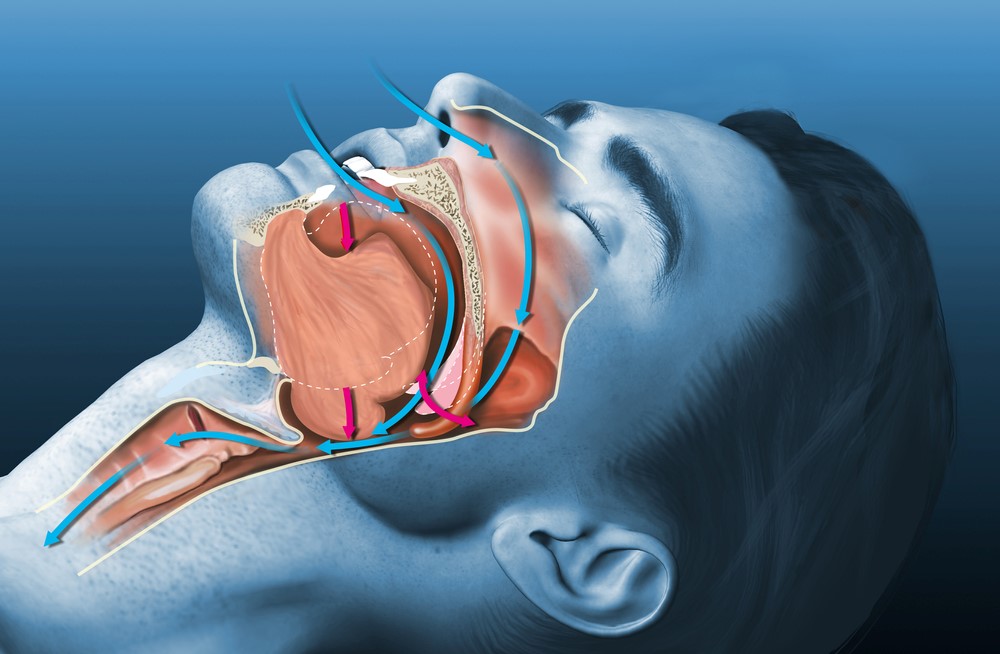
Sleep apnea associates itself with a wide array of considerable health concerns and is a serious issue causing you to stop breathing for momentary periods while asleep. It is something that should be taken with careful consideration and not be brushed off.
There are a variety of ways to handle sleep apnea to ensure you have the most comfortable sleep possible. A common way to treat sleep apnea is with a CPAP (continuous positive airway pressure) machine, which is a machine that pushes air through at a high enough pressure to ensure the airway does not collapse. However, with the growth of healthcare and dental treatments in our current day and age, oral appliance therapy is something that is a far more comfortable alternative to treating sleep apnea than CPAP.
Common Symptoms
Do you think you may have sleep apnea and want to begin treating it? Look out for these symptoms:
- Increased and loud snoring
- Headaches and sore throats once you awake
- The sound of pauses during sleep
- Lack of sleep, resulting in mood changes
- Frequent decrease in energy and increased daytime fatigue
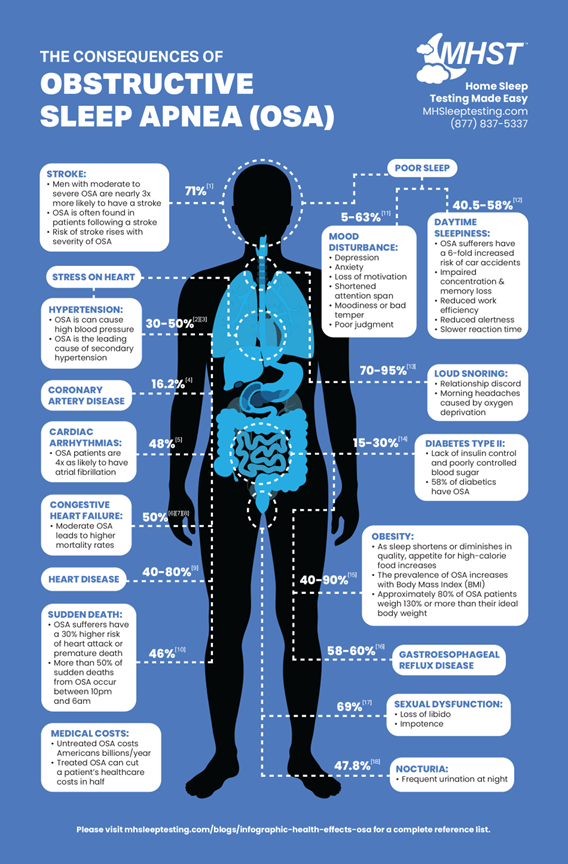
Consequences of Sleep Apnea
Don’t brush off this condition. Sleep apnea is a condition that can often be looked at as more of a bother that makes you fatigued and adjusts your mood, rather than a serious condition that can be treated.
Find some consequences and risks of sleep apnea below:
- Stroke
- Depression
- Obesity
- Heart disease
- Metabolic disorders
Treating sleep apnea with oral appliance therapy
Preventing sleep apnea means preventing a person's airway from becoming obstructed. This can be accomplished by using oral appliance therapy that resembles an athletic mouthguard. This advanced device assists with keeping the jaw and tongue forward while sleeping, allowing soft tissue at the rear of your throat, further away from your open airway.
Schedule an appointment with Dr. Iskander Family Dental to assess whether or not you have sleep apnea and the best way to tackle it.